
share


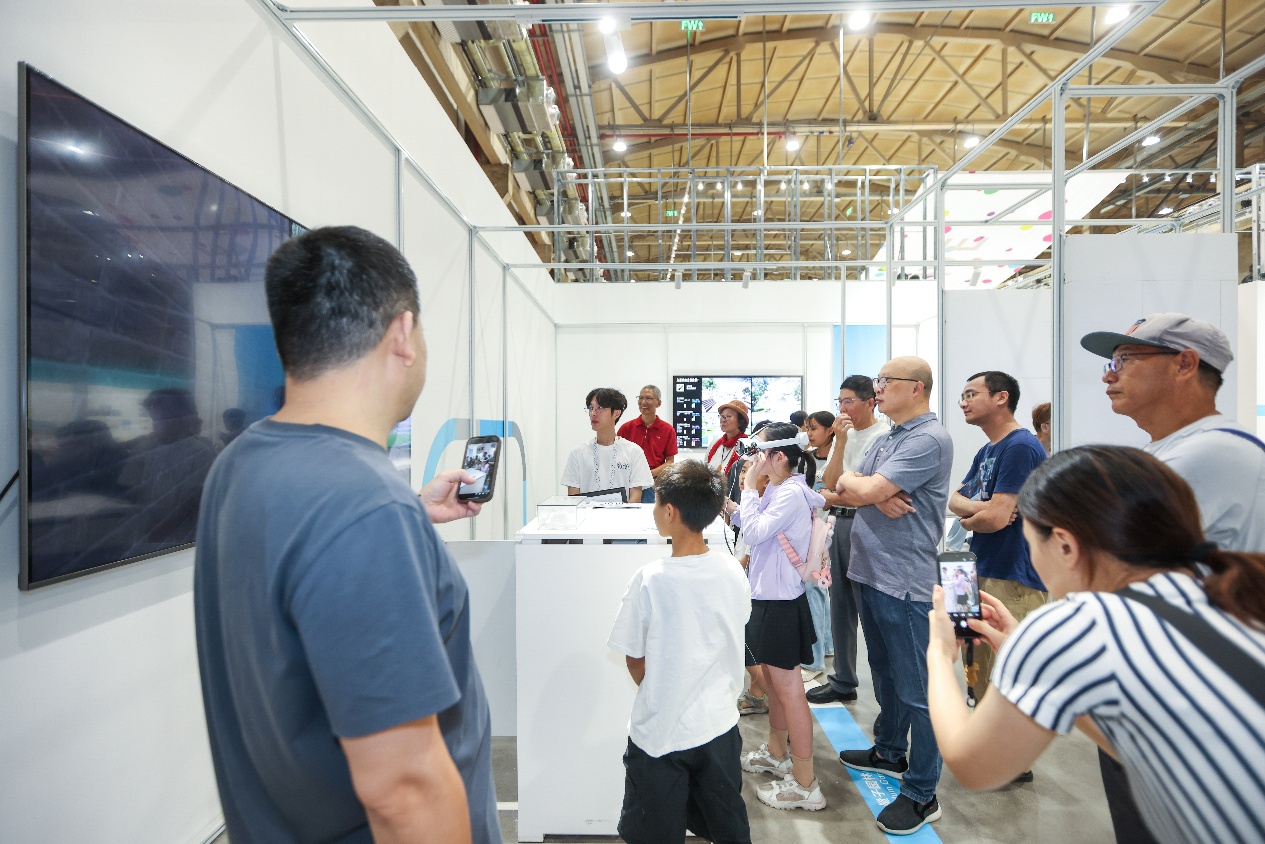
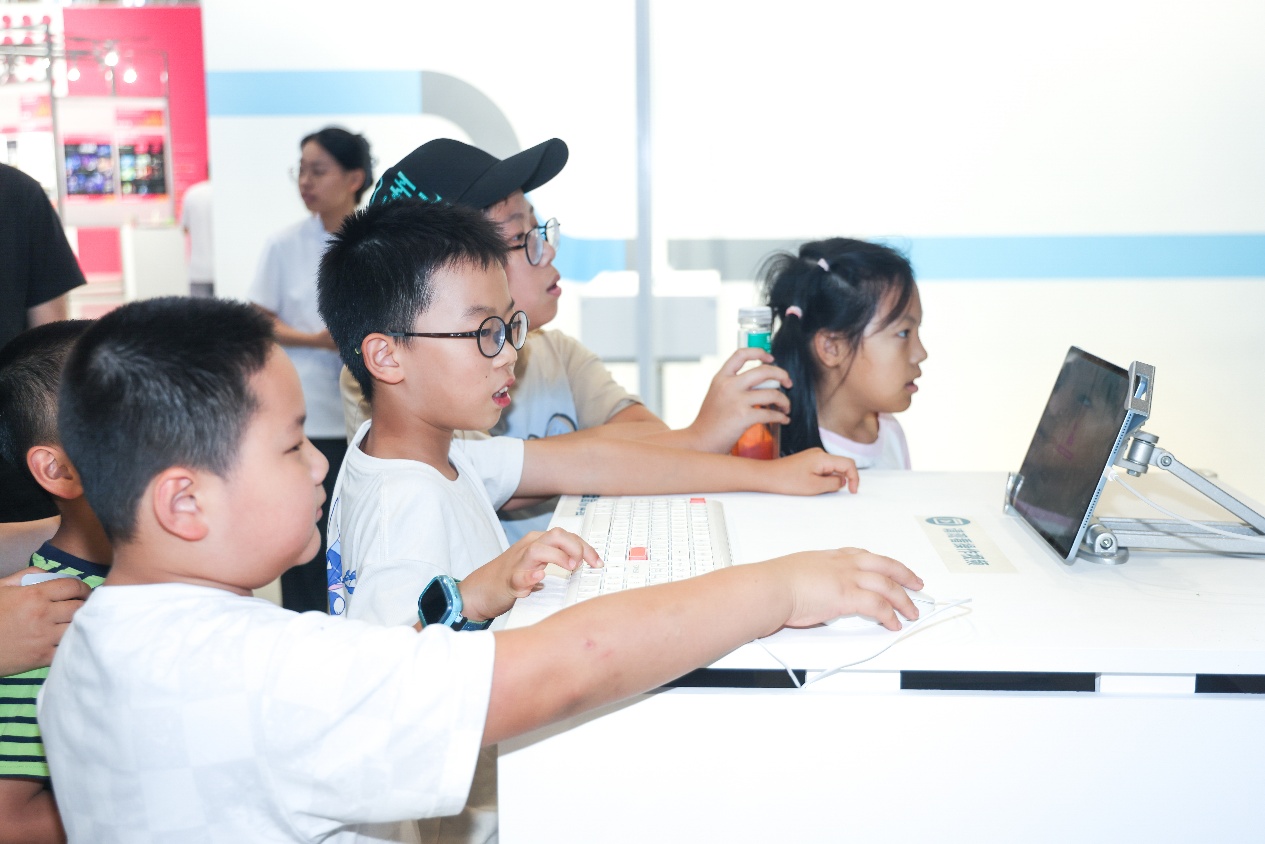
In October 2025, the Urban Ergonomics Lab at the School of Architecture, Tsinghua University, was invited to participate in the Fuxing Island edition of the 2025 Shanghai Urban Space Art Season. Under the theme "Algorithmic Culture," the laboratory presented a series of interactive digital exhibits in the main exhibition venue, showcasing the team's research in design science, artificial intelligence, and human factors and human-environment interaction in cities.
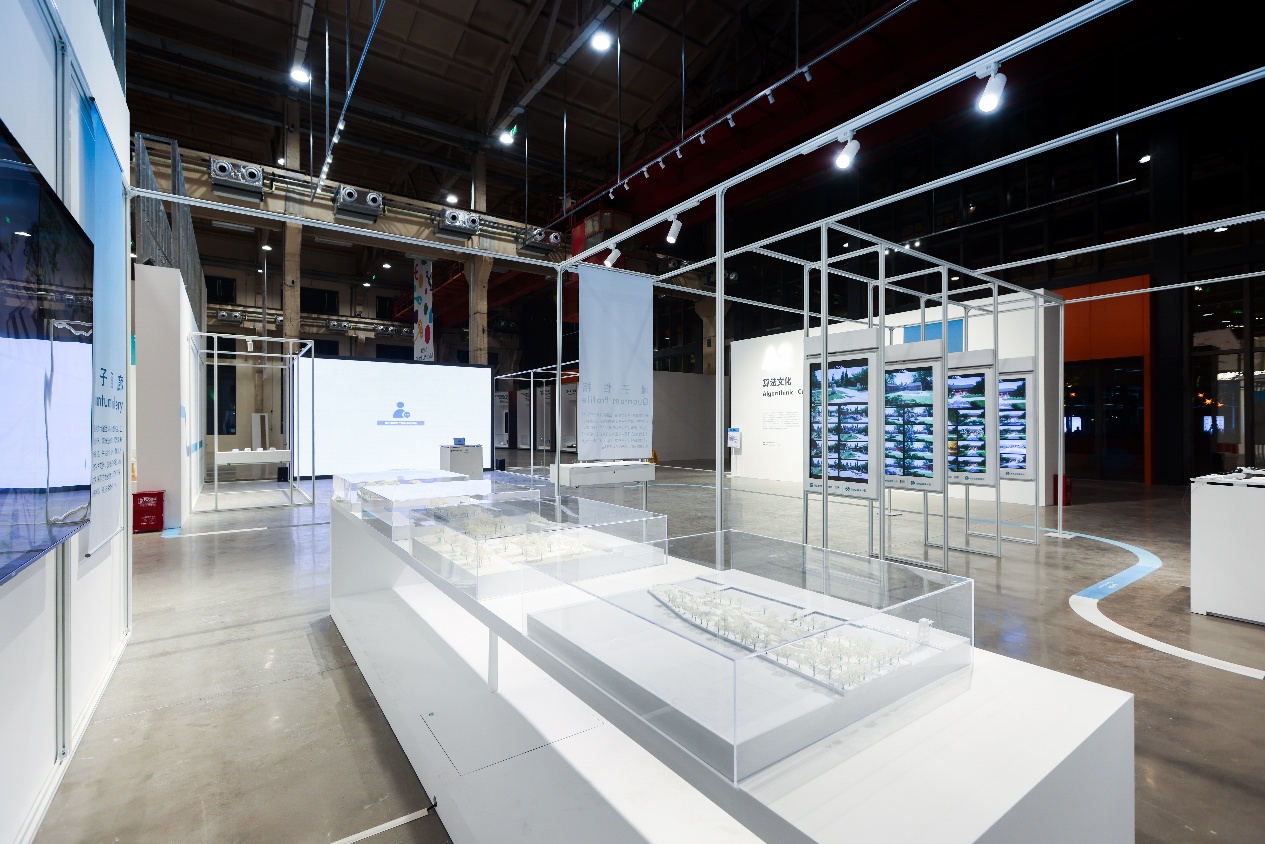
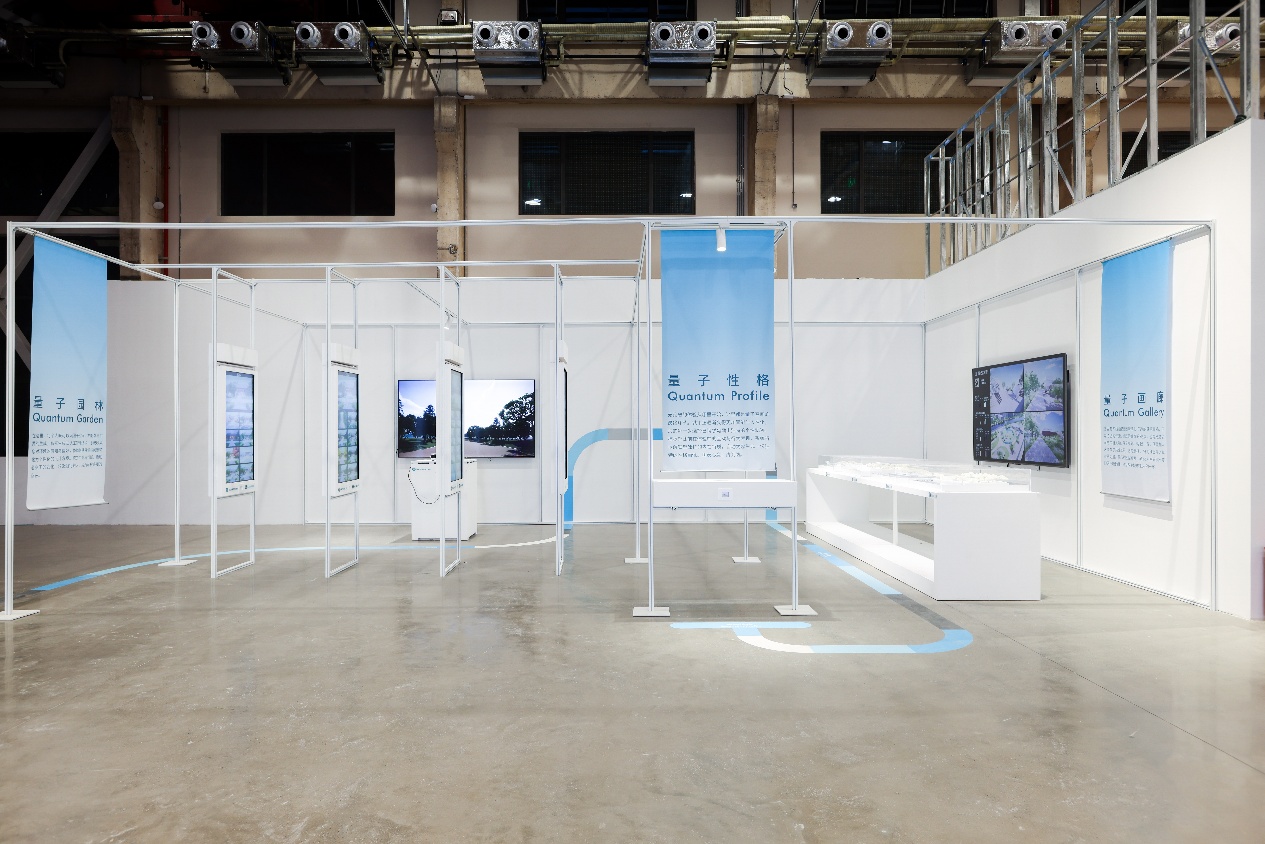
Founded in 2015 and held every two years, the Shanghai Urban Space Art Season (SUSAS) brings together public art, spatial design, and urban governance, promoting artistic interventions and participatory practices in urban public spaces. The 2025 edition, themed "Quantum City, Revitalizing the Future," was jointly organized by the Shanghai Municipal Bureau of Planning and Natural Resources, the Shanghai Municipal Administration of Culture and Tourism, the Shanghai Administration of Sports, and the Yangpu District People's Government. Held in Fuxing Island Park, a distinctive setting shaped by a century of industrial heritage and the vitality of urban renewal, the event showcased visions of future urban development and governance through applications of artificial intelligence in planning and natural resource management.
Against this backdrop, the School's Urban Ergonomics Lab developed the "Algorithmic Culture" exhibition area in response to the art season's central question about future relationships between people and cities. It asks: How will our relationship with urban space change in the future, whether we are decision-makers, designers, users, or observers of the city? To explore this question, the team created three interconnected visitor experiences, translating public participation and urban decision-making into tangible experimental installations and interactive processes.
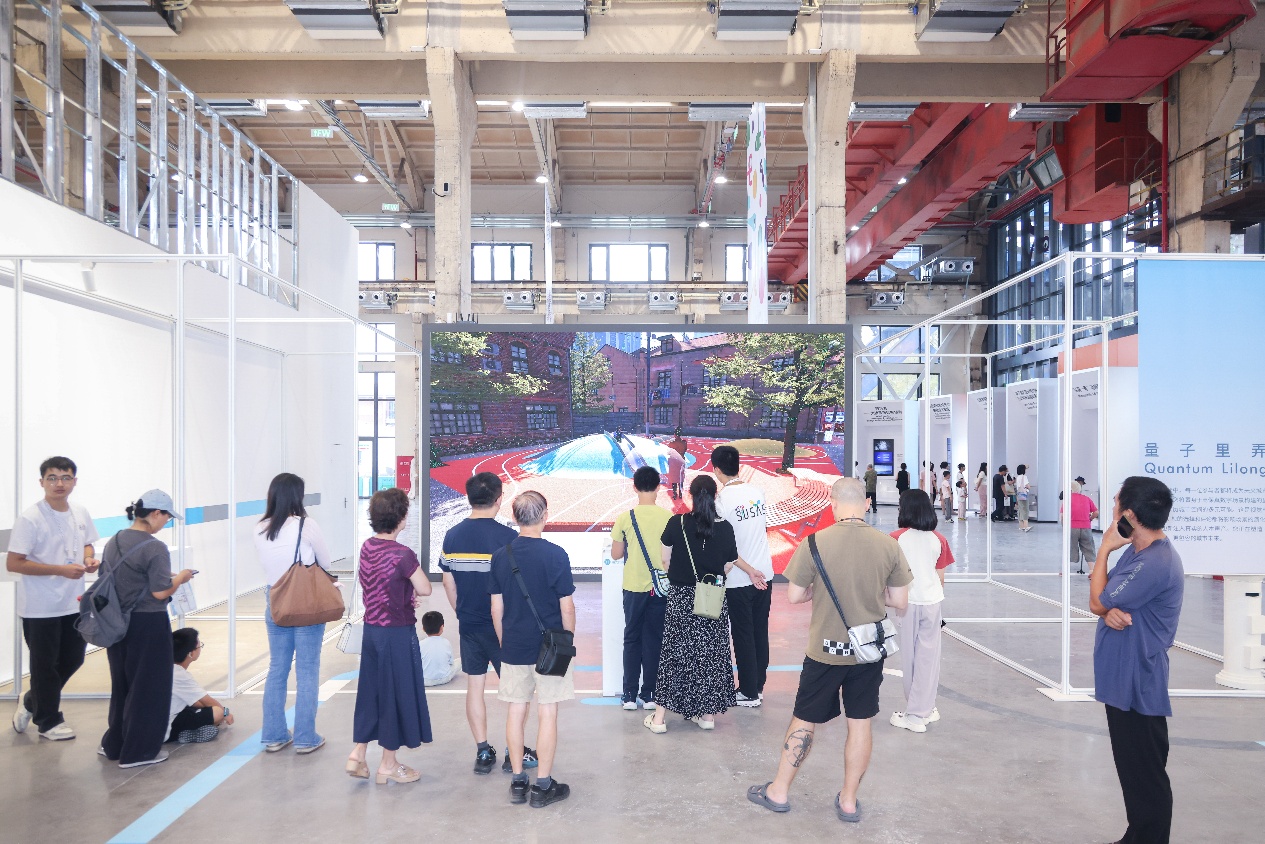
In "Quantum Lilong," immersive, high-fidelity digital environments allow visitors to experience proposed spatial designs and share comments in real time. The installation demonstrates a possible approach to "decision-making through experience," in which the public's immediate impressions become part of the design parameters.
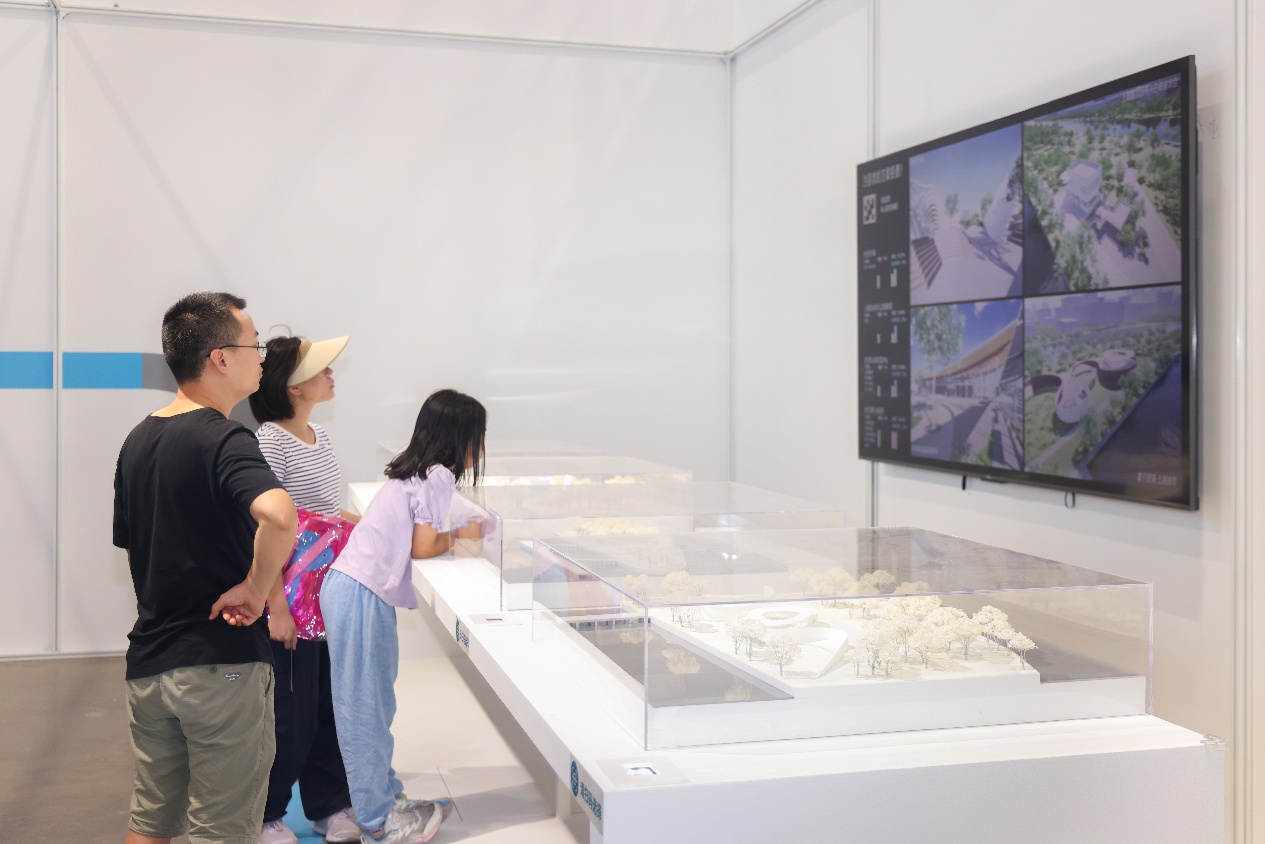
"Quantum Gallery" presents four sets of works created by specially invited teams. By linking the active or passive collection of behavioral data with real-time displays of decisions, it creates a narrative experience of "decision-making through observation."
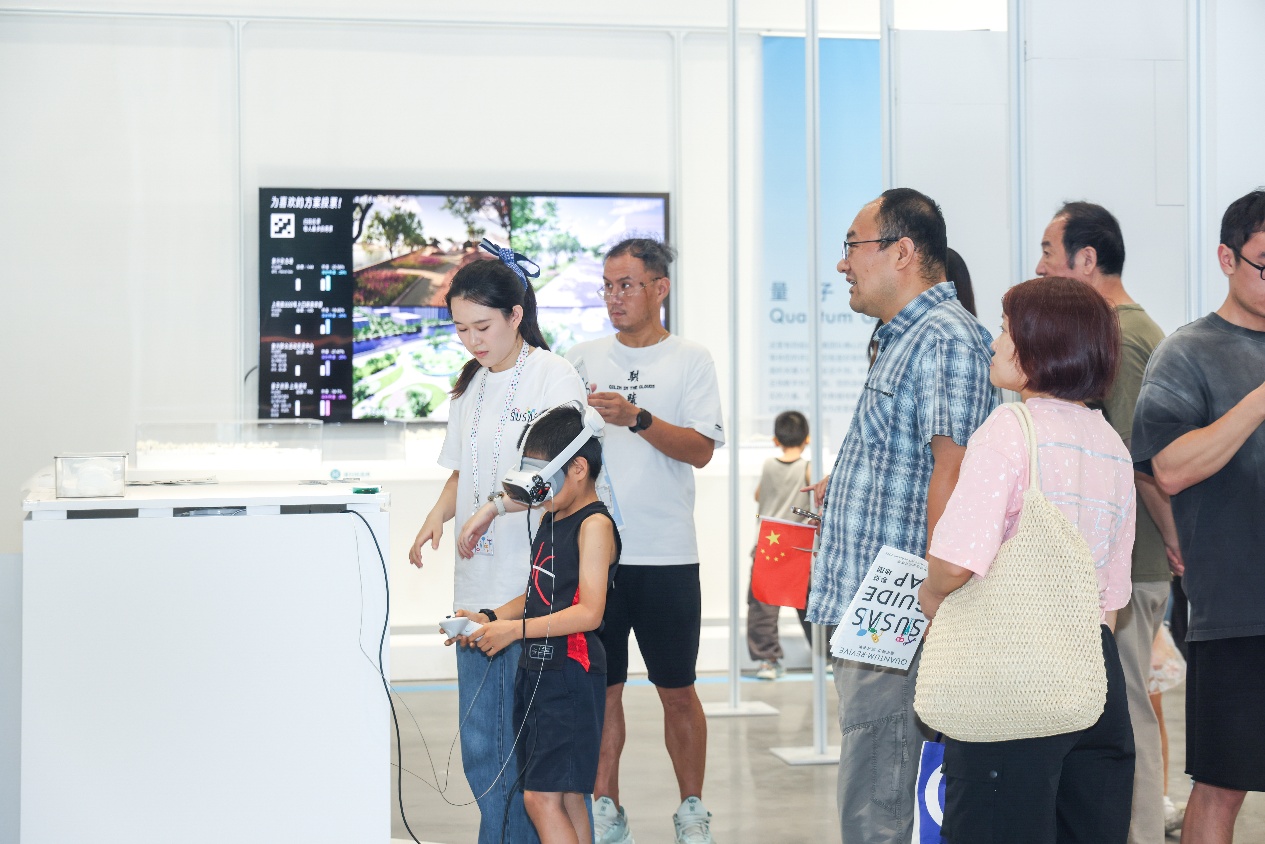
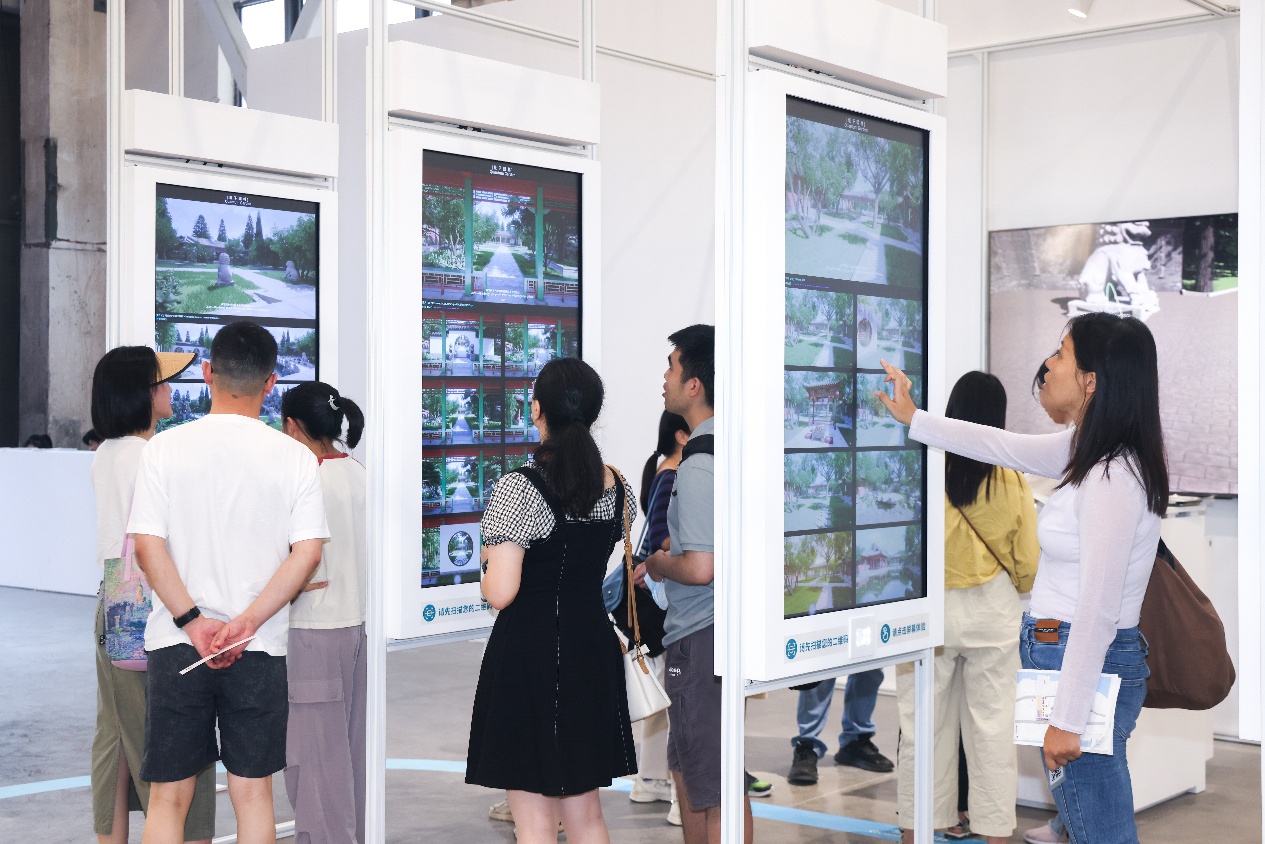
Powered by generative artificial intelligence, "Quantum Garden" enables each participant to generate and select personalized spatial designs based on their own experience. Through a series of immediate inputs reflecting participants' perceptions and corresponding algorithmic feedback, the installation gives tangible form to the idea of "experiencing through design and designing through experience." It demonstrates the potential of co-creative spatial generation for designing small-scale public spaces.
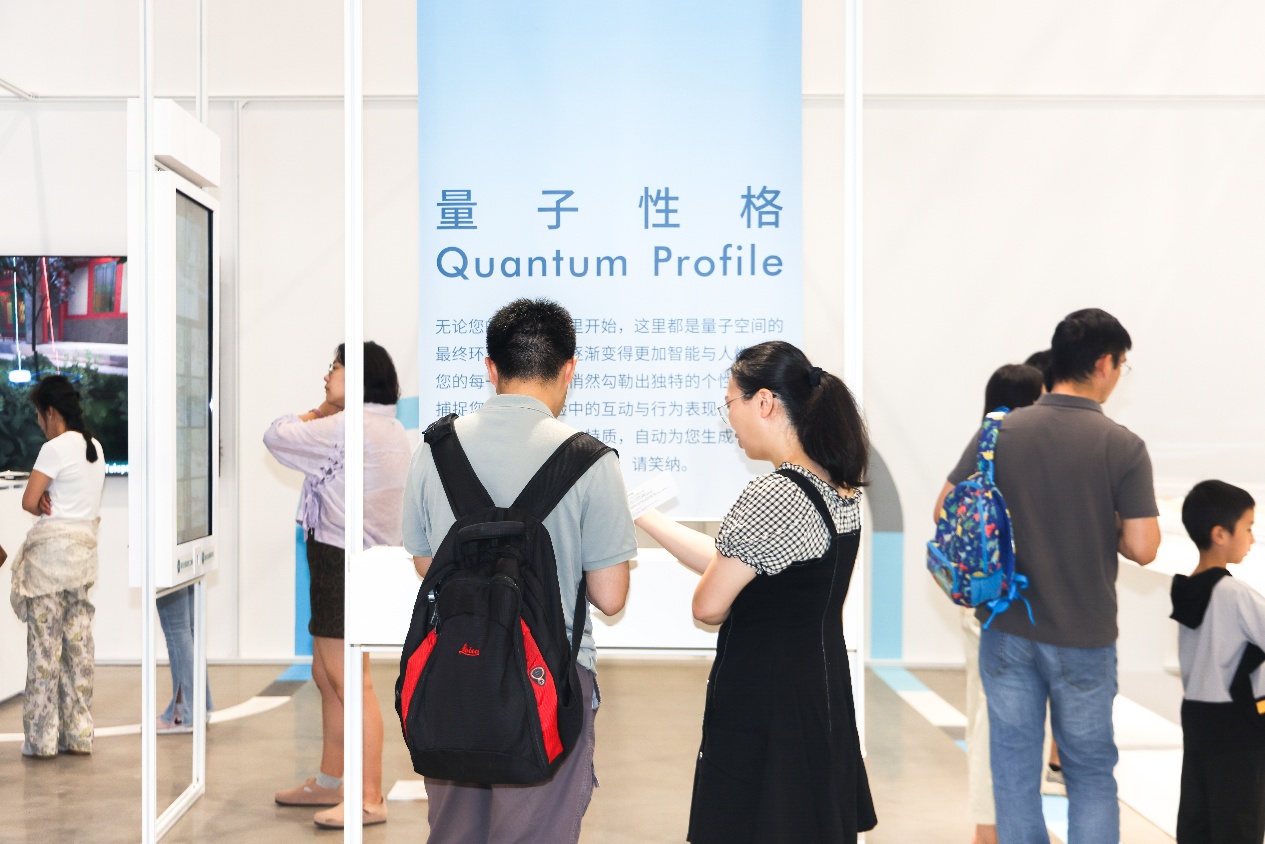
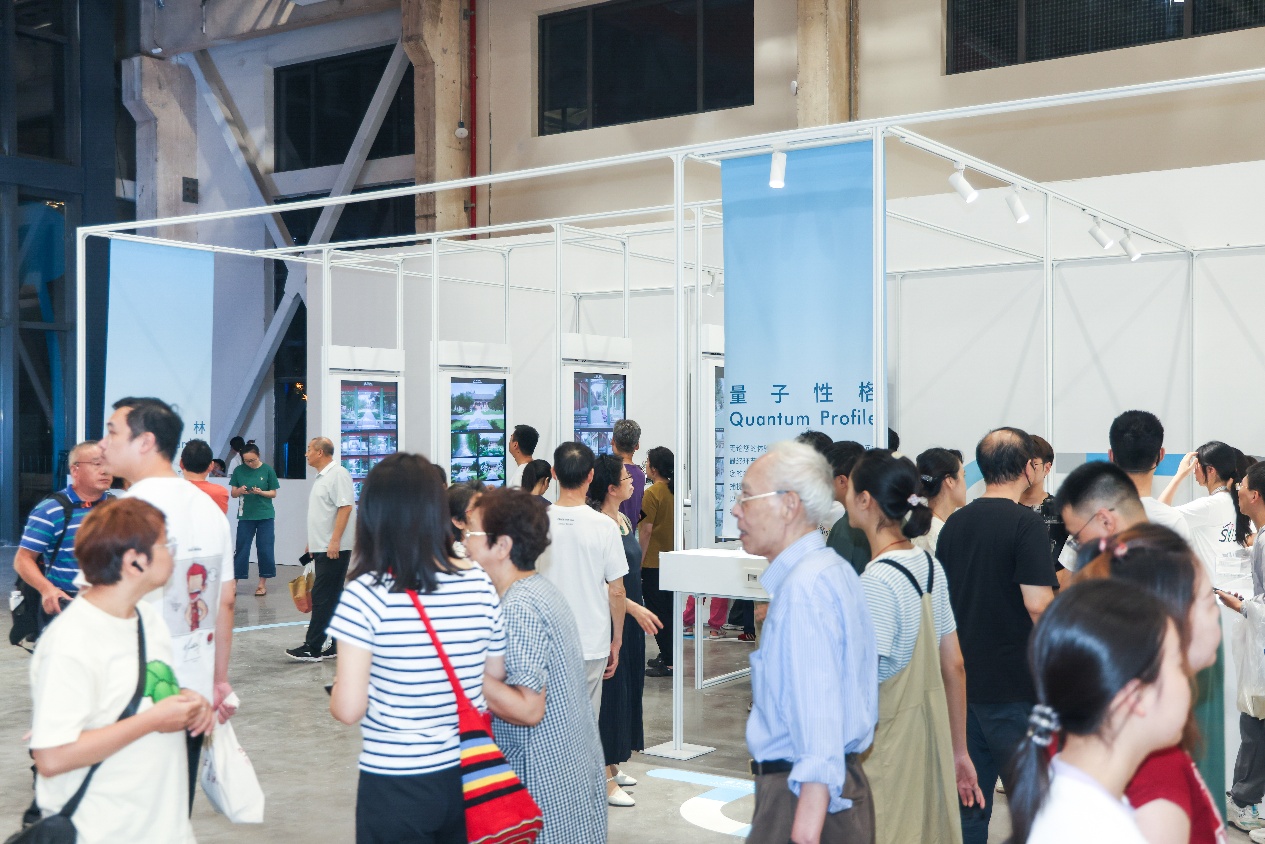
The exhibition opened to the public on September 30, 2025, at the main exhibition venue on Fuxing Island, Shanghai, with the exhibition running through December 13, 2025. Through its participation, the School's Urban Ergonomics Lab hopes to translate cutting-edge research into urban experiences that the public can engage with, inviting a wider audience to explore visions of future cities shaped by human factors science and technology.□
-
Jun 30 , 2026Book Launch for URBAN ERGONOMICS and SHENJING GONGCHENG GUANLI DAOLUN
-
Mar 29 , 2026BBS No.5 | Exploring Human Factors Engineering for Smart Energy
-
Oct 21 , 2025Urban Ergonomics Lab Showcases Research at the 2025 Shanghai Urban Space Art Season
-
Jun 25 , 2025BBS No.4 | Research on General-Purpose Olfactory Perception and Computing
-
Jun 22 , 2025BBS No.3 | Research on Human-AI Urban Landscape Generation
-
Jun 16 , 2025BBS No.2 | Research on Urban Residential Interior Morphology